
Modelowanie za pomocą zdarzeń
Wiele błędów projektowych powstaje przed napisaniem kodu, gdy zespół jeszcze nie rozumie procesu, który buduje. Modelowanie za pomocą zdarzeń opisuje proces jako ciąg faktów, np. „rezerwacja potwierdzona” albo „płatność odrzucona”, i omawia go z ludźmi, którzy znają biznes. Dowiesz się, jak prowadzić takie sesje, żeby wydobywały reguły i otwarte pytania, zamiast utknąć w miejscu.
Pierwszy artykuł to wystąpienie o błędach w modelowaniu, których warto unikać. Drugi pokazuje, jak łączyć EventStorming, warsztat, na którym proces układa się z karteczek na ścianie, z innymi technikami. Dwa kolejne dotyczą prowadzenia sesji: zaznaczania sporów i niewiadomych, zamiast rozstrzygać je na siłę, oraz dawania ludziom czasu na samodzielne przemyślenie tematu przed wspólną dyskusją, żeby nie decydował najgłośniejszy. Ostatni zamienia listę wymagań w kod.
Czytaj po kolei.
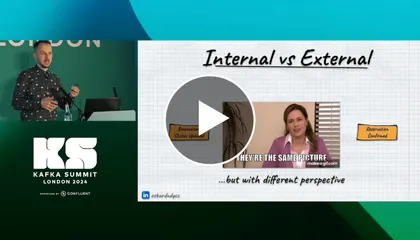
Event modelling anti-patterns explained
2024-04-07Have you heard about Passive Aggressive Events or CRUD sourcing? Or maybe about the Clickbait event? If you don’t, you better check the talk I gave at Kafka Summit 202…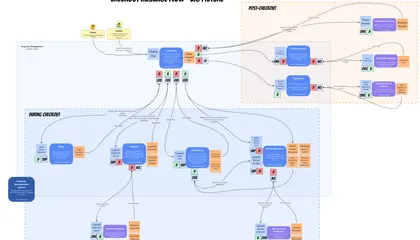
On mashing up modelling techniques for fun and profit
2026-05-18Many people believe there should be one, and only one, way to model software. I think differently, I like to mix different techniques. For instance, I believe there’s a…
The Underestimated Power of Hot Spots and Notes in EventStorming
2025-05-19I’ve been facilitating the EventStorming sessions for years now, and something keeps catching my attention. While teams naturally focus on mapping out those orange event…
Start Alone, Then Together: Why Software Modelling Needs Solitary Brainstorming
2025-06-23Watch a jazz quartet improvise, and you might think they’re making it up as they go. They’re not. Every riff builds on practised scales and learned patterns. The…
How to effectively compose your business logic
2022-07-20Let’s say that we’d like to implement Shopping Cart. We have the following requirements: The customer may only add a product to the shopping cart after opening it. When…